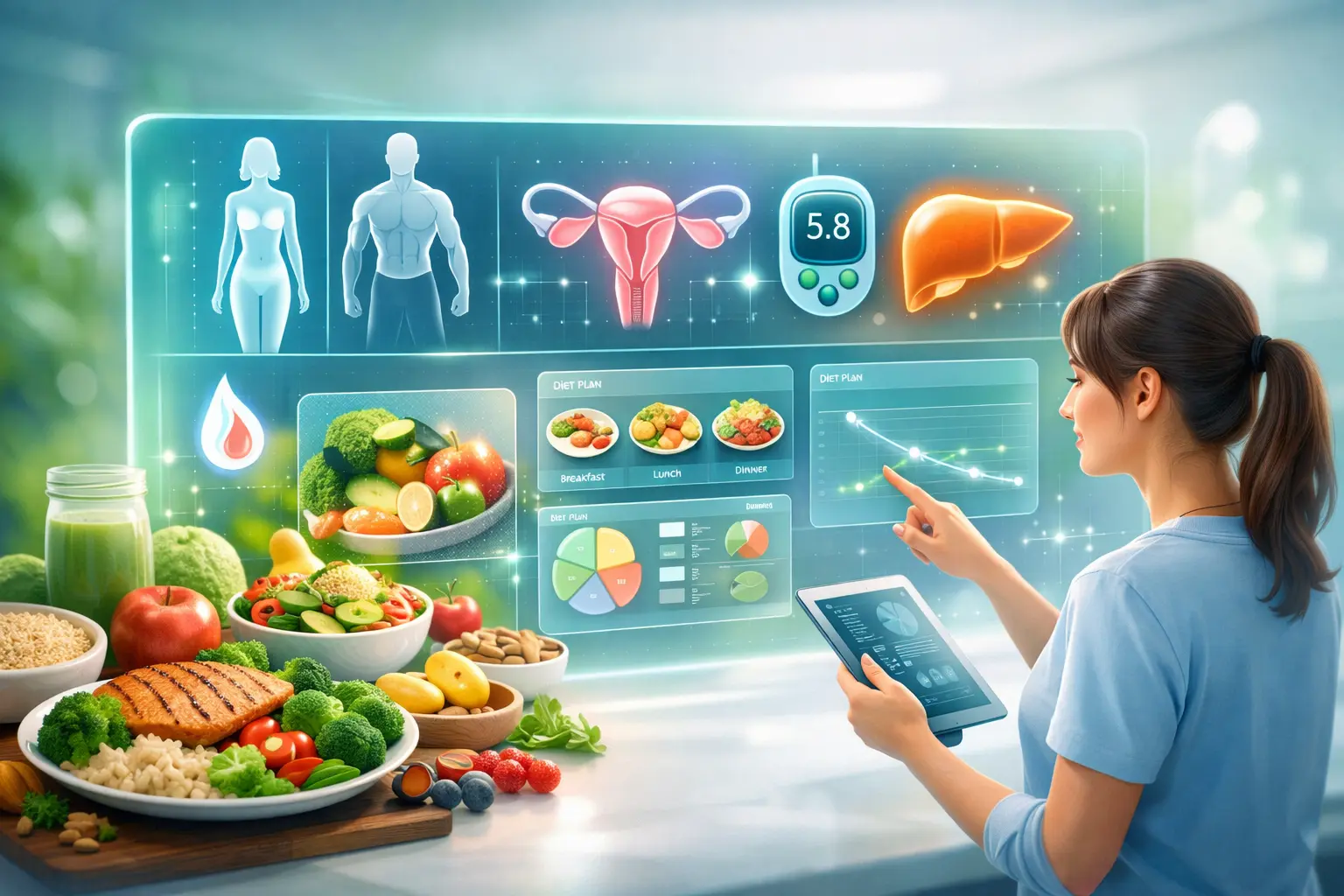
Form fill karke apna free AI personalized diet plan paayein. Weight loss, weight gain, PCOS, diabetes, fatty liver, hormonal imbalance aur irregular periods ke liye custom meal plan, calories, macros, meal portions, recipe guidance aur PDF support.
Free AI Personalized Diet Plan: Form Bharte Hi Weight Loss, Weight Gain, PCOS, Diabetes & Fatty Liver Ke Liye Custom Meal Plan

Everyone wants a diet plan that actually fits their life. Some people want to lose weight. Some want to gain healthy weight. Some are managing PCOS, diabetes, fatty liver, hormonal imbalance, or irregular periods. And some simply want a simple, practical meal plan that tells them what to eat, how much to eat, and how to stay consistent.
That is where a free AI personalized diet plan becomes powerful. Instead of following a random diet chart from the internet, users can fill out a simple form and receive a meal plan made according to their body, goal, routine, and health needs. The result is not a generic template. It is a custom diet plan that can support daily life, food preferences, calorie needs, and health conditions in a smarter way.
A healthy eating plan matters because weight, blood sugar, appetite, and energy are influenced by many factors, including age, activity level, sleep, stress, food habits, and medical conditions. A personalized approach gives users a better chance of building a plan they can actually follow long term. NIDDK also emphasizes that healthy eating plans and regular physical activity support weight management, and that keeping weight off is easier when the plan is sustainable.
Why personalized diet plans matter
No two bodies respond to food in exactly the same way. One person may lose weight easily with a moderate calorie reduction, while another may need more structure and better meal timing. One person may feel better with higher protein, while another may need more fiber and steady carbohydrate portions. Personalized planning helps because it starts with the person, not with a generic chart.
That is especially important when the goal is not only weight management, but also support for conditions like PCOS, diabetes, or fatty liver. In diabetes, carb counting can help some people plan meals, and it is especially useful for people who take insulin. In fatty liver, doctors commonly recommend healthy diet changes, portion control, and weight loss when appropriate. In PCOS, lifestyle choices such as food type, food amount, and activity may help improve symptoms.
Fill the form below and start your healthy journey today.
A good personalized diet plan also reduces confusion. Instead of asking, “What should I eat today?”, the user gets a plan that already answers breakfast, lunch, snacks, dinner, portions, and smart swaps. That makes healthy eating feel less stressful and more practical.
How the free AI diet plan works
The process starts with a simple form. The user enters basic details such as age, gender, height, weight, activity level, food preference, lifestyle, and health goal. The form can also include medical conditions, digestion issues, allergy information, schedule preferences, sleep pattern, and workout routine.
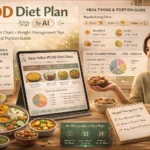
Once the form is submitted, the AI analyzes the data and creates a custom meal plan. The plan can include daily calories, macros, meal timing, portion suggestions, food ideas, recipe steps, grocery direction, and even a printable PDF version. This makes the experience more useful than a plain diet chart because the plan can be adapted to the real person instead of forcing the person to adapt to the plan.
A strong AI system can also create separate outputs for different needs. For example, a user who wants weight loss may receive a calorie-controlled balanced plan. A user who wants weight gain may receive a calorie-surplus plan with healthier snack additions. A user with diabetes may receive a carbohydrate-aware plan. A user with PCOS may get a meal plan focused on regular eating and balanced nutrition. A user with fatty liver may get a cleaner meal structure with portion control and better food choices. NIDDK notes that for diabetes, carb counting means planning and keeping track of carbs in each meal or snack, and not everyone with diabetes needs to count carbs. It also notes that healthy eating, portion sizes, and weight management play a key role in fatty liver care.
Who can use this diet plan
This system is useful for many different users. Someone trying to lose weight may need a lower-calorie, higher-protein, higher-fiber structure. Someone trying to gain weight may need more frequent meals and calorie-dense food choices. Someone living with PCOS may need consistent meals, good protein intake, and more balanced food habits. Someone with diabetes may need a more careful carbohydrate structure. Someone with fatty liver may need better portion control and healthier food patterns. Someone dealing with irregular periods or hormonal imbalance may need more predictable eating routines and less erratic food habits. NHS guidance on PCOS says symptoms can be managed, and lifestyle choices are part of that management. ()
This kind of plan also works well for people who have tried many diets before and failed because the diets were too rigid, too complicated, or too unrealistic. A personalized AI plan can create something more sustainable. NIDDK notes that to maintain weight loss, sticking to a healthy eating plan and continuing regular physical activity are important, and that choosing foods you prefer makes it easier to stick with the plan. ()
What makes this AI diet plan different
Most diet charts online are built for the average person. But real users are not average. They have different routines, food preferences, work timings, cravings, sleep patterns, budgets, and health conditions. A personalized AI diet plan is better because it can adapt to these differences in real time.
It can adjust calories for a weight loss or weight gain goal. It can change meal frequency for someone who cannot eat big meals. It can avoid foods the user does not like. It can shift food choices for vegetarians, non-vegetarians, eggetarians, or users with cultural dietary needs. It can also be made easier for office workers, students, shift workers, or busy parents who need simple meal options rather than complicated recipes.
The best part is that the plan becomes actionable. A user does not just read “eat healthy.” They receive a practical breakdown such as what to eat in the morning, what to eat at lunch, what to do for snacks, how to build dinner, and how much to eat. That level of detail increases the chance of consistency.
A better experience for weight loss
Weight loss is one of the most common reasons people look for a diet plan. But weight loss does not have to mean extreme hunger, skipping meals, or cutting out all favorite foods. A healthy plan focuses on balanced calorie control, better food quality, and long-term habits. NIDDK states that healthy eating plans and regular physical activity help people lose weight and keep it off over the long term. It also says people do not have to give up all their favorite foods to lose weight. ()
A personalized weight loss plan can include proper calorie targets, protein-focused meals, more vegetables, controlled portions, and smart snacks. It can also account for appetite, hunger timing, and food preference. Some people feel best with three main meals. Others need smaller meals with snacks. AI can adjust that structure based on user input.
In a well-built weight loss plan, breakfast should not be random. Lunch should not be overloaded. Dinner should not be too heavy. Snacks should not turn into hidden calorie traps. The plan should guide the user toward a realistic daily rhythm. That makes it easier to follow without burnout.
A smarter way to gain weight
Healthy weight gain is just as important as weight loss for many users. Some people are underweight because of a fast metabolism, a poor appetite, a busy schedule, or chronic low intake. The goal should be healthy gain, not junk-food gain.
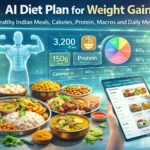
A personalized weight gain plan can include calorie-dense but nutritious meals, additional snacks, smoothies, and more frequent eating opportunities. It can support users who cannot eat large portions at once by dividing calories into smaller meals through the day. It can also include protein-rich foods so the body builds stronger tissue rather than just storing empty calories.
This is where AI becomes useful. It can produce a plan that gradually increases calories while staying digestible and practical. The plan can include simple additions like nuts, seeds, milk or alternatives, bananas, oats, paneer, eggs, lentils, rice, peanut butter, or easy homemade snacks. It can also be built around the user’s kitchen reality and budget. The result is a plan that helps the user gain weight in a controlled and sustainable way.
PCOS support through food
PCOS is a condition where many users struggle with irregular periods, cravings, weight changes, energy issues, and frustration around food. A strong personalized diet plan can bring structure and relief by helping the user eat more consistently.
NHS guidance says PCOS symptoms can be managed, and lifestyle changes are part of that process. NHS and other patient guidance also emphasize healthy balanced meals, regular eating, and activity as part of symptom management. A hospital leaflet from Lancashire Teaching Hospitals says eating meals regularly, especially breakfast, is part of a healthy lifestyle approach for PCOS, along with reducing sugar, salt, and caffeine. Another NHS leaflet notes that lifestyle choices such as food type and amount, as well as activity, can improve symptoms. ()
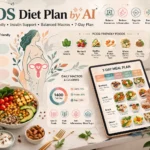
A PCOS-friendly AI diet plan can focus on meals that feel steady and balanced. It can give the user a breakfast that is not sugary and empty. It can build lunches with proper protein and vegetables. It can offer snacks that do not lead to energy crashes. It can keep dinner lighter but still filling. It can also reduce the chaos that many users feel when they are trying to eat “healthy” without a clear structure.
In PCOS, the goal is not perfection. The goal is a repeatable routine that supports better food habits and less stress around eating. A personalized plan can help the user build that routine one meal at a time.
Diabetes-friendly meal planning
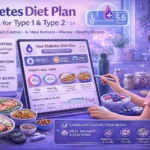
People with diabetes need a meal structure that is thoughtful and predictable. Blood glucose levels are affected by what, how much, and when a person eats. That makes diet planning especially important. NIDDK explains that carb counting means planning and tracking the amount of carbs eaten and drunk in each meal or snack, and that for people who take insulin, carb counting can help determine how much insulin to take. NIDDK also explains that type 1 diabetes means the body makes little or no insulin, while type 2 diabetes is different and more common. ()
A personalized diabetes diet plan can help the user by showing meal portions, carb awareness, and better food pairing. For example, meals can be built with vegetables, protein, and controlled carbohydrate portions. Snacks can be chosen more carefully. Breakfast can be planned so the user does not start the day with a sugar spike. Lunch can be balanced. Dinner can be lighter and more structured. The plan can also remind the user that consistency matters more than one perfect meal.
The biggest value of an AI plan here is that it can make diabetes food management less confusing. Instead of manually guessing every day, the user gets a guided structure that is built around their actual life. That can improve adherence and reduce decision fatigue.
Fatty liver diet planning
Fatty liver is another condition where diet plays an important role. NIDDK states that doctors may recommend weight loss for NAFLD, and that healthy eating, limiting portions, and maintaining a healthy weight can help prevent or manage the condition. It also explains that weight loss can reduce fat, inflammation, and fibrosis in the liver. NIDDK notes that doctors may recommend gradual weight loss if the person is overweight or has obesity. ()
A personalized fatty liver diet plan can focus on cleaner meals, fewer sugary drinks, smarter portion sizes, and more balanced daily eating. It can help users avoid the common mistake of eating too little all day and then overeating at night. It can also emphasize regular meals, since irregular eating patterns often make healthy control harder.
The best fatty liver plan is not extreme. It is steady. It supports gradual improvement with practical food choices that can be repeated every day. That is exactly what AI can help with when it builds a form-based diet plan around the user’s schedule and preferences.
Hormonal imbalance and irregular periods
Many users who search for diet support are not only thinking about weight. They also want help with fatigue, bloating, mood changes, cravings, and irregular cycles. A personalized diet plan can be helpful here because routine and food balance matter.
For users dealing with hormonal imbalance or irregular periods, the AI can recommend meals that are more regular and less erratic. It can encourage breakfast consistency, good protein distribution, more fiber, and less sugar-heavy eating. PCOS guidance from NHS and hospital leaflets supports the idea that regular meals and balanced dietary choices are part of symptom management. ()
That does not mean diet alone solves everything. But it does mean food can become a more supportive part of the user’s routine. When a plan is personalized, the user is more likely to stick with it because it feels realistic and not overly restrictive.
What the form should ask
A strong form is the backbone of a strong AI diet plan. If the form is too short, the plan will be too generic. If it is thoughtful, the final output will be far more useful.
The form should ask for age, gender, height, weight, goal, activity level, food preferences, medical condition, allergies, sleep schedule, meal timing preference, budget, and whether the user wants vegetarian, non-vegetarian, or eggetarian meals. It should also ask whether the user wants a short plan or a detailed plan, and whether they want calories, macros, and portion sizes shown clearly.
For users with conditions like diabetes, PCOS, or fatty liver, the form can ask condition-specific questions too. For example, it can ask whether the user has regular or irregular periods, whether they use insulin, whether they experience sugar cravings, whether they have digestive problems, or whether they need a plan that fits a work shift or a busy routine. This level of detail is what makes the final meal plan feel custom and not copied.
What the AI should deliver after form submission
The AI should not just return a simple food list. It should deliver a complete meal strategy.
That strategy can include the user’s daily calorie target, protein, carbohydrate, and fat guidance, meal timing, portion sizes, meal ideas, substitutions, grocery suggestions, and recipe instructions. If possible, it should also generate a clean PDF so the user can save or print the plan easily.
The plan should be written in a way that is simple, practical, and motivating. Users do not want confusion. They want clarity. They want to know what to eat now, what to eat later, and how to stay on track tomorrow.
A useful AI output may even break meals into a simple structure. For example, breakfast can be one balanced meal, lunch another, a snack in between, and dinner in a lighter format. For users with more advanced needs, it can also show calories per meal and the macro split per day. That makes the plan feel structured and professional.
One useful line to place in the middle of the experience is this: Fill the form below and start your healthy journey today.
Why users trust personalized plans more
Users trust personalized diet plans because they feel seen. A plan that reflects their own habits, food restrictions, and goals is more likely to be followed. It does not feel like generic internet advice. It feels like a real recommendation built for their body.
Trust also comes from clarity. When the plan explains calories, portions, and meal choices, the user understands why it exists. When the plan uses simple language and realistic food options, the user feels less overwhelmed. And when the plan is built around common goals like weight loss, weight gain, PCOS support, diabetes support, and fatty liver support, it becomes more useful to a wide audience.
That combination makes the page powerful not only for user experience, but also for search intent. People are actively looking for solutions like this. They want free, practical, personalized help. A page that provides that value clearly can perform well.
How to make the content feel stronger on the page
The page should sound helpful, direct, and human. It should tell the user what they will get after filling the form. It should explain that the plan is custom and supportive. It should show that the system is built for real life, not just theory.
It can also mention that the plan may include meal ideas, calorie counts, macros, recipe steps, and a PDF output. It can emphasize convenience, personalization, and simplicity. Those are all strong user-facing benefits.
It is also a good idea to position the page as a starting point, not as a replacement for medical care. For users with complex health conditions, medication use, pregnancy, or severe symptoms, the blog should encourage professional guidance. That builds trust and makes the page feel responsible.
Why this type of page can perform well in SEO
This topic has strong search intent because it matches what people actually type into search engines. Users search for free diet plans, personalized diet charts, PCOS diet plans, diabetes meal plans, fatty liver diet plans, and Indian diet plans that are easy to follow.
A strong blog page on this topic works because it combines several things users want at once: personalization, health support, clarity, and convenience. It is informational, practical, and conversion-friendly. It can attract users who are at the beginning of their journey and need guidance quickly.
The most important thing is that the page answers the core question clearly: how does a free AI personalized diet plan help me based on my own body and health needs? When the content answers that well, it is more likely to keep users on the page and help them take action.
Frequently asked questions
Can this AI diet plan help with weight loss and weight gain?
Yes. The plan can be adjusted for lower calories and better portions for weight loss, or for higher calories and nutrient-dense foods for weight gain. NIDDK notes that healthy eating plans support weight management over time. ()
Can it support PCOS?
Yes. PCOS symptoms can be managed with lifestyle changes, and diet structure is one part of that. NHS guidance and hospital leaflets support regular meals, balanced food choices, and healthier routines. ()
Can it be used for diabetes?
Yes, but the plan should be careful and practical. NIDDK says carb counting can help some people with diabetes, especially those using insulin. ()
Can it help with fatty liver?
Yes. NIDDK says healthy diet, portion control, physical activity, and gradual weight loss can help manage NAFLD. ()
Should the plan include calories and macros?
Yes. A clear calorie target and macro breakdown make the plan more practical and easier to follow. Portion awareness is also important for healthy weight management. ()
Final thoughts
A free AI personalized diet plan is a smart and practical way to help users start eating better without confusion. It works because it gives each person a plan based on their own goal, health condition, schedule, and food preference. That makes it much more useful than a generic diet chart.
Whether the user wants to lose weight, gain weight, manage PCOS, support diabetes, deal with fatty liver, or simply build a healthier routine, a form-based AI diet plan can make the journey easier and more consistent. The real value is not just in the food list. The real value is in the personalization.
When the user fills the form, the AI can turn raw information into a structured meal plan with calories, macros, portion sizes, recipes, and practical advice. That kind of support can make healthy eating feel simple, guided, and achievable.
This is why a personalized diet plan page can become a powerful pillar content page for your website. It speaks to real needs, solves a real problem, and gives the user a clear next step.